Flagship project · Misurata
Misurata Medical Waste Treatment Centre
The Misurata Medical Waste Treatment Centre is one of the newest specialised environmental centres in Libya. It is built on modern Autoclave with Shredding technology, considered among the safest and most effective means of treating hazardous medical waste.
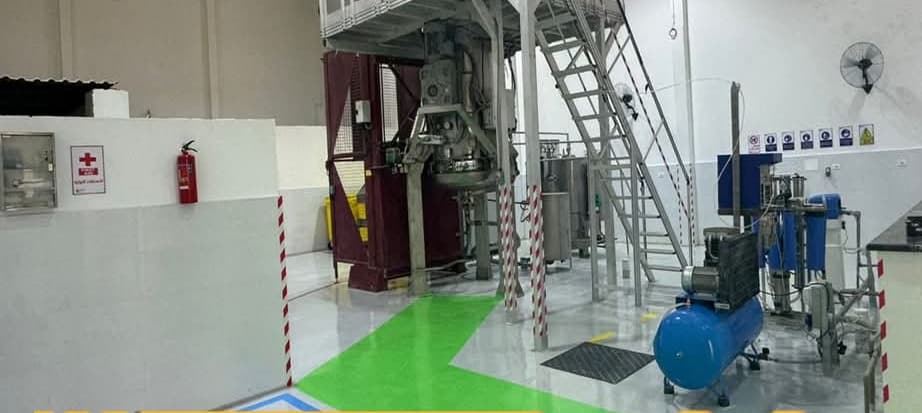
The centre contributes to eliminating harmful bacteria and viruses and reducing the risks of infection and pollution, with a positive effect on community health and the safety of health facilities.
Why this matters
Hazardous medical waste is a legal and health responsibility.
A facility’s responsibility for its waste does not end at its door — it continues until final treatment is evidenced. Our role is to close that chain, documented.
Only about 15% of healthcare waste is genuinely hazardous, but poor segregation turns the rest into hazardous waste and multiplies the cost for no reason.
Four documented stages
Every consignment is weighed and logged on collection, transported in equipped vehicles, treated on a validated cycle, and closed with a certificate of destruction.
- 01
Collection
The consignment is weighed and logged in compliant containers, and the tracking document is opened.
- 02
Transport
Equipped, licensed vehicles with a team trained in safety procedures.
- 03
Shred & sterilise
Shredded first, then sterilised with saturated steam, reducing volume by up to 80%.
- 04
Documentation
An official certificate of destruction closes the chain of custody and ends the facility’s liability.
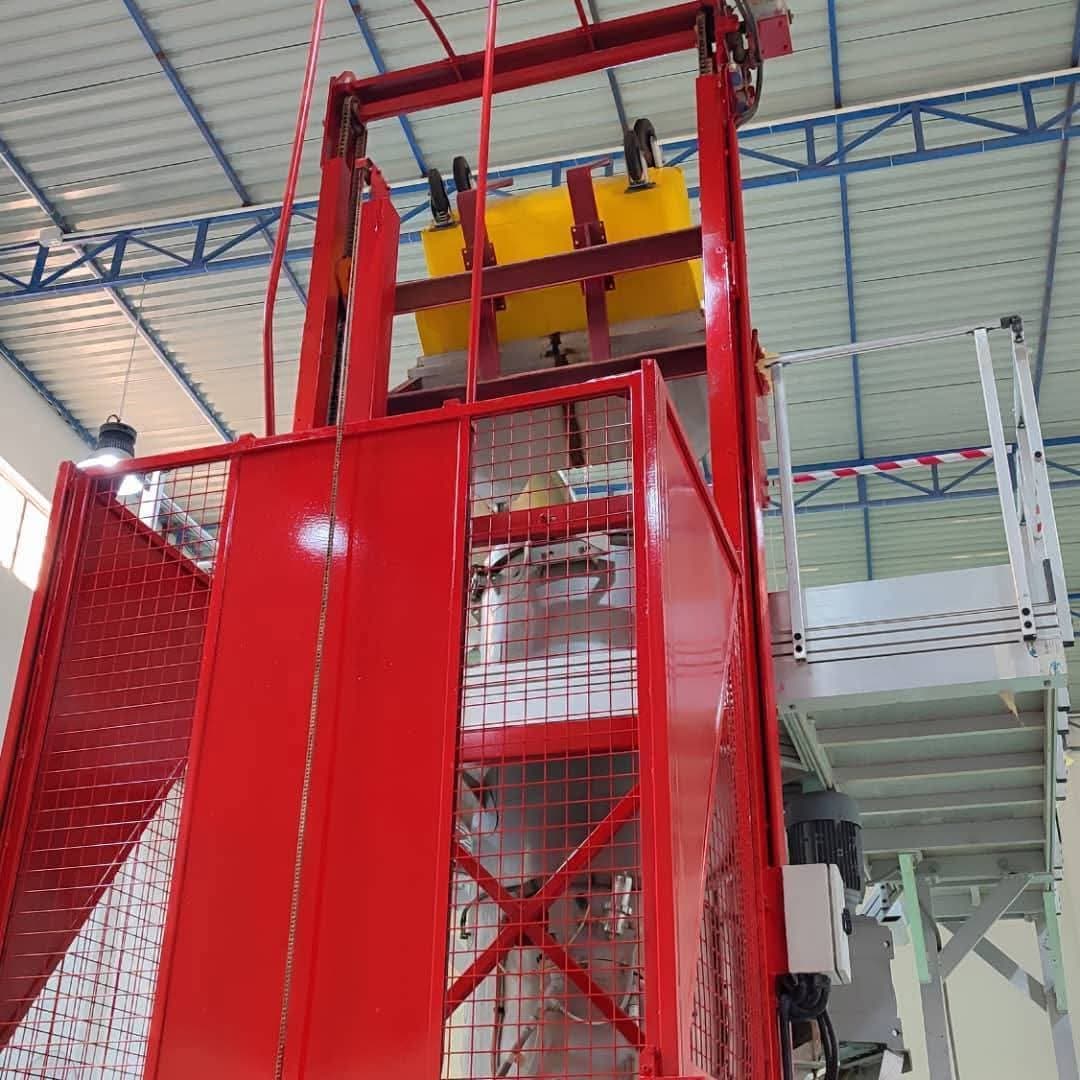
We shred first, then sterilise.
In a conventional autoclave, steam struggles to reach the core of a sealed bag. Shredding first lets saturated steam contact every fragment directly, so the waste leaves sterilised and unrecognisable.
- 138°C
- Validated sterilisation temperature
- 3.5bar
- Saturated steam pressure
- 10min
- Validated cycle time
- 80%
- Reduction in waste volume
The cycle values above are the validated operating parameters of the shredding and sterilisation technology used at the centre.
Correct segregation starts at the facility
We supply coded containers and train the team on segregation, because what is sorted well is treated safely and costs less.
Infectious waste
Infectious
Anything contaminated with blood or body fluids, laboratory cultures, and waste from isolation units.
Shred & sterilise
Sharps
Sharps
Needles, scalpels and broken glass, collected exclusively in puncture-resistant containers.
Shred & sterilise
Pathological waste
Pathological
Tissues, organs and unused blood products.
Dedicated route
Pharmaceutical waste
Pharmaceutical
Expired, damaged or contaminated medicines and vaccines.
Dedicated route
Chemical waste
Chemical
Disinfectants, solvents and laboratory reagents, which never enter the steam sterilisation route.
Dedicated route
Who the centre serves
Hospital
Large volumes from many sources, on a daily collection schedule with periodic reporting.
Medical centre
Moderate, regular flow on a weekly schedule with full documentation per consignment.
Clinic
Small volumes, mostly sharps, collected on request or monthly.
Laboratory
Cultures, samples and chemicals, with careful separation of routes.
Reference standards
- World Health Organization standards and requirements
- Libyan Ministry of Health requirements
- Ministry of Environment requirements